


Examens et notations
Is it necessary to replace an EV battery entirely, or can it be fixed?
Thus, when you need the range, charge to 100%. If you don't often use that extra capacity, be aware of the habit of leaving it idle for hours or days at maximum voltage. Go ahead, though, if you simply want the assurance that your tank is full or if you forget. Setting a charge limit of about 80% is a straightforward, practical approach for the great majority of everyday activities. The pleasure of driving an electric vehicle should never be overshadowed by charging anxiety because your EV battery is more resilient than you might imagine.
The software creates a safety zone, or tiny buffer, to shield the cells from real damage. The battery management systems of the majority of automakers have intelligent safeguards built in. Over many years, this might lead to a very slight reduction in your battery's total usable capacity. Here, however, the warning is lessened by reality. Compared to earlier, less advanced electric vehicles, https://autopowercare.com/the-definitive-guide-to-car-battery-management-system-bms-calibration/ charging to what your car considers full is much gentler thanks to this engineering trick.
It's easy to maintain an EV battery. This extends their useful life and reduces waste. Steer clear of frequent deep discharges, charge slowly, and park in mild weather whenever you can. Solid-state batteries and other new chemistries promise even longer lifespans and quicker charging as technology develops. Plugging in completely is exactly what the car was made for when you're going on a road trip. Only when you treat 100% as your regular daily routine does the issue occur.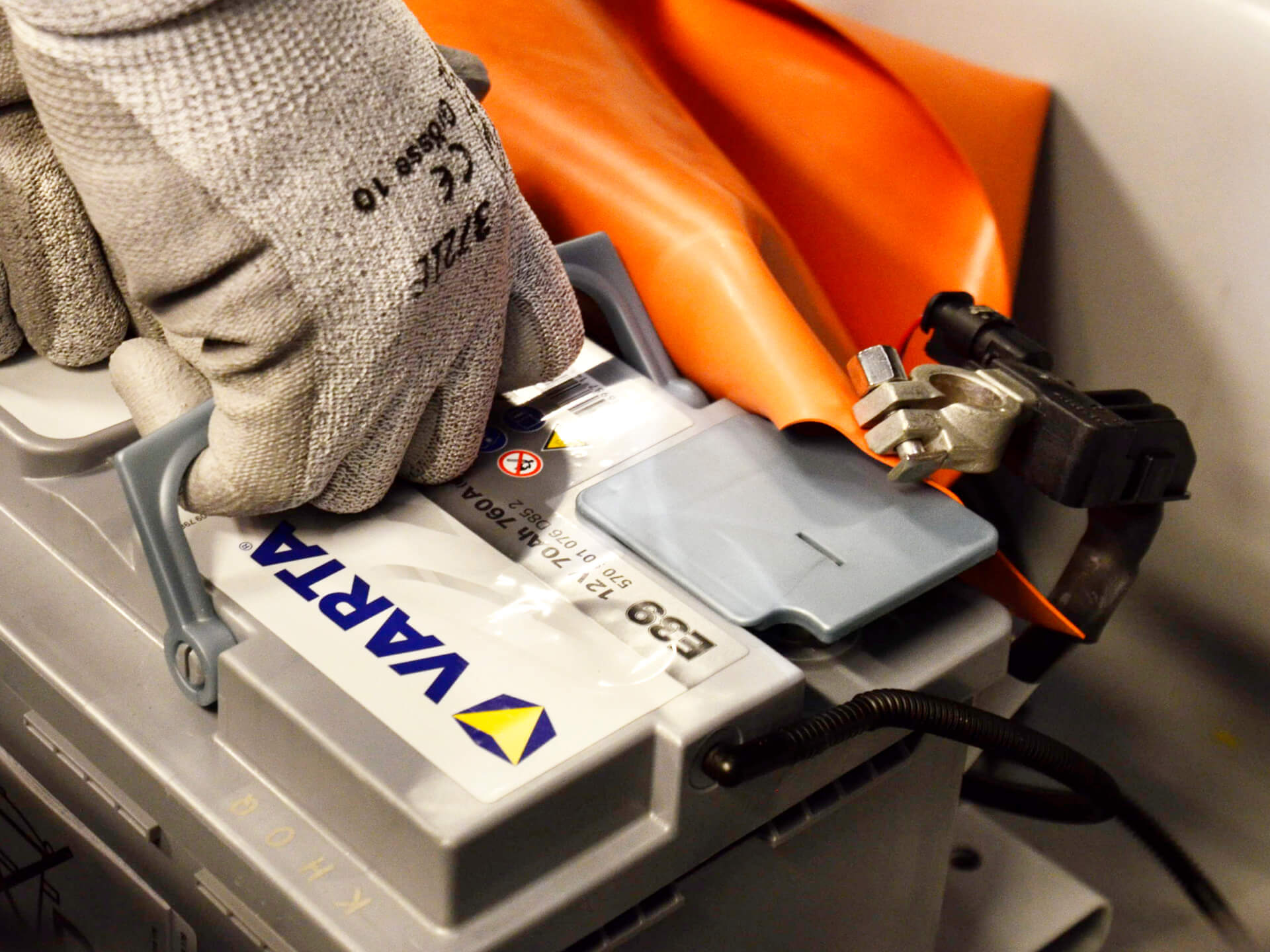 The battery is designed to manage it. Maintaining an 80 percent or 90 percent goal for your daily driving can save you a few percent of capacity over the course of ten years. That's a fantastic return for a minimal amount of work. The key lesson for the majority of us is that charging to 100% capacity is acceptable when you require the range. Many batteries maintain a significant amount of their initial capacity even after ten years, enabling drivers to enjoy steady range without experiencing a sharp decline.
This range is not an estimate; rather, it represents the behavior of these systems during regular use, ranging from brief commutes to lengthy expressway trips. The batteries used in the majority of contemporary electric vehicles usually last ten to fifteen years under typical driving circumstances. The cells' internal chemistry is designed to withstand thousands of charging cycles without losing its potency. With businesses like Redwood Materials recovering up to 95% of raw materials from spent batteries, recycling technology is also advancing.
Produits fréquemment achetés


